Silicon Carbon Alloy Case Study: East Asia Steel Plant

One alloy replaces two – 50% lower cost, stable chemistry, shorter production. Real process documented with images and independent analysis.

Challenge at the East Asia Mill

The mill produced high-grade steel grades (e.g., HRB400, Q235) by adding ferrosilicon (for Si) plus recarburizer (for C) as two separate additions. The process was cumbersome and unstable.

  • Two separate alloy additions → longer furnace time, more labour
  • Inconsistent carbon/silicon recovery → off-grade chemistry, reworks
  • Fluctuating melt composition → frequent adjustments, higher energy use
  • Combined cost of FeSi + recarburizer kept rising

✅ Our solution: Silicon Carbon Alloy 65/15

One-step replacement – supplied with SGS certificate:

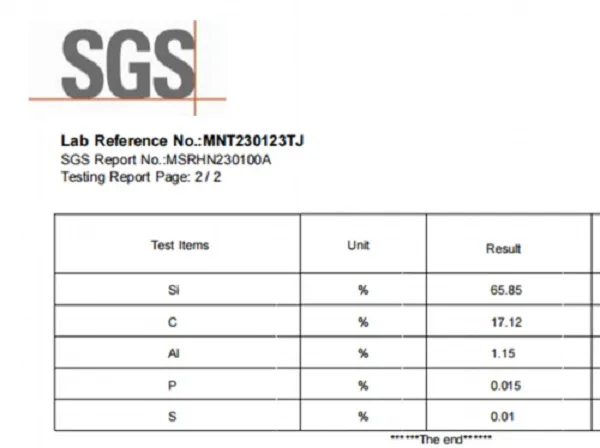
Silicon (Si) 65.85% (target 65%)
Carbon (C) 17.12% (target 15% min)
Aluminium (Al) 1.15% (controlled low)
Size 10-60mm (92% min)

💰 alloy cost = 50% of previous FeSi+recarburizer

⚡ Real impact: lower cost, higher stability

-50%
alloy cost per ton of steel
-35%
alloy addition time (one step)
0%
off-grade heats (since switch)
-12%
energy consumption per melt

⚡ Performance that matters

✅ Si 65.85% (vs spec 65% min) ✅ C 17.12% (vs 15% min) ✅ Al 1.15% (low impurity) ✅ SGS certified
Step 1/6

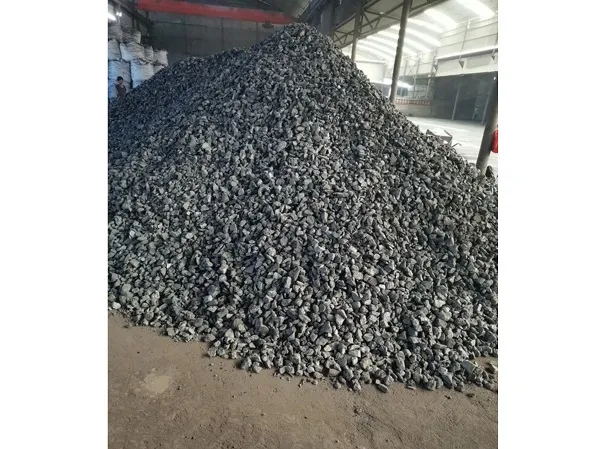
HC Silicon Alloy Prepared

We sourced high-carbon silicon (Si 65% / C 15% grade) from our certified plant. Lumps are 10-60mm, homogenised and double-checked for consistency.

🔍 Client previous mix: FeSi (72% Si) + recarburizer (98% C)
📊 Our alloy composition: Si 65.85% · C 17.12% · Al 1.15%
Step 2/6

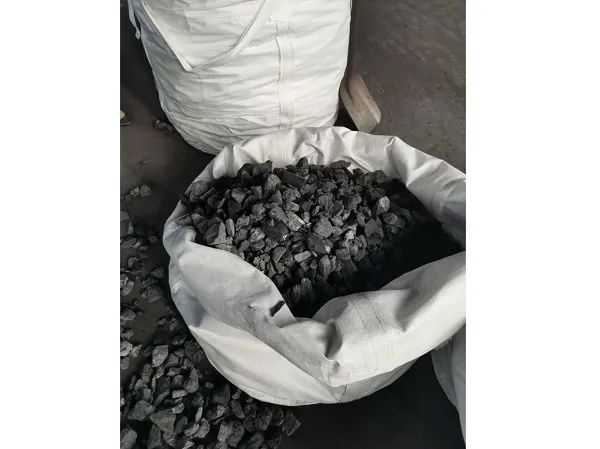
SGS On-Site Sampling

SGS inspector attended our warehouse, took representative samples from the lot, sealed and tagged in presence of our team.
Step 3/6

SGS Certificate Issued

Lab results confirmed: Si = 65.85%, C = 17.12%, Al = 1.15%. All parameters meet or exceed client specs for steel grade HRB400 / Q235.
Step 5/6

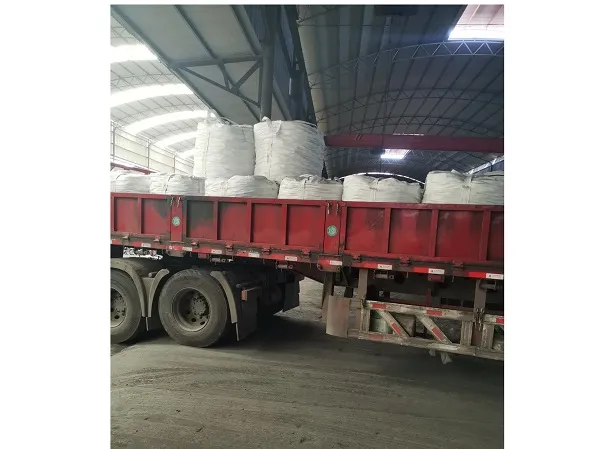
Shipping to Loading Port Tianjin

Goods shipped from Anyang warehouse to Xingang port. Docs (SGS, packing list) sent ahead for confirmation.
Step 4/6

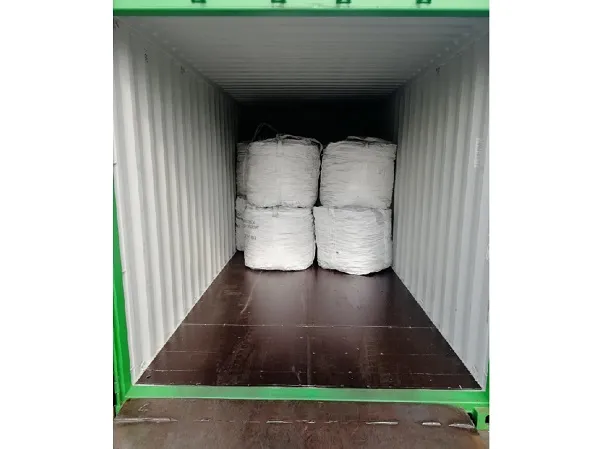
Container Loading & Sealing

Alloy loaded into 20ft containers under supervision. Each container weighed, seal numbers recorded. Loading photos for traceability.
Step 6/6

Customer Approval & Reorder

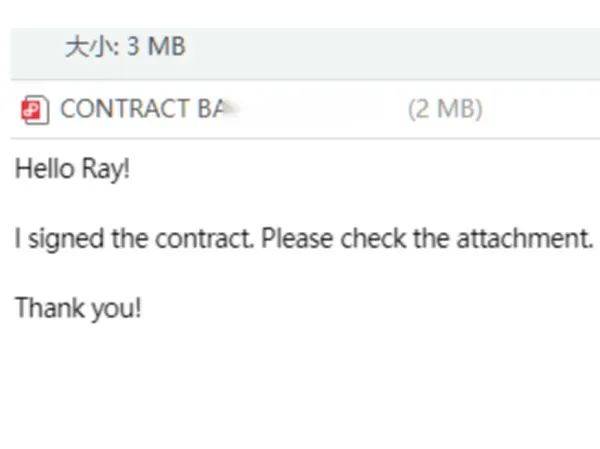
After first trial, the mill reported stable carbon & silicon recovery, no off-grade heats, and 50% lower alloy cost. They switched entirely to our silicon carbon alloy and placed a repeat order.
“We eliminated two additions – now one alloy does the job. Chemistry is consistent, and our energy bill dropped.” – Steel Plant Metallurgist

📊 The numbers that count

50%
lower alloy cost
17.1%
carbon content (vs 15% min)
65.9%
silicon content (vs 65% min)
−35%
addition time saved
“Before, we had to juggle ferrosilicon and recarburizer – two materials, two sets of analyses. Now with Bright Alloys’ silicon carbon alloy, we get silicon and carbon in one stable product. Our melt consistency improved immediately, and the cost saving is remarkable.”
— Process Manager
East Asia Steel Mill

One alloy replaces two = half the cost, full stability

This East Asia case proves: switching to Bright Alloys’ silicon carbon alloy (65/15) eliminates the need for separate FeSi + recarburizer. You get guaranteed Si & C within spec, lower energy, less labour, and 50% lower alloy spend. Join steel mills that simplified their process.

Request a similar quote View Silicon Carbon Alloy Specs

Why East Asian mills trust us for silicon carbon alloy

🔬
Every batch SGS/BV tested
📋
Original mill + third-party reports
🌍
20+ countries · 100+ clients
💳
L/C, T/T, flexible terms

Get the same alloy that cut costs by 50% for an East Asia steelmaker

Request a quote + free SGS report sample for silicon carbon alloy 65/15.

📬 Contact sales

Silicon Carbon Alloy FAQs

What is silicon carbon alloy and how does it replace ferrosilicon and recarburizer? +

Silicon carbon alloy (also called high-carbon silicon) is a composite deoxidizer and recarburizer containing 60–68% Si and 15–20% C. It replaces the traditional two-step addition of ferrosilicon and carburizer in steelmaking, simplifying the process and improving melt consistency. Explore our silicon carbon alloy specifications to see how a single alloy can cut your production steps by 50%.

How much cost can be saved using silicon carbon alloy versus FeSi + recarburizer? +

In the East Asian steel mill case, the switch to high-carbon silicon alloy reduced total alloy cost by roughly 50% compared to separate FeSi and recarburizer additions. Actual savings depend on market prices and steel grade; request a customized quote to get an estimate based on your current alloy consumption.

Online Chat

Lily
Hello! How can i assist you today?